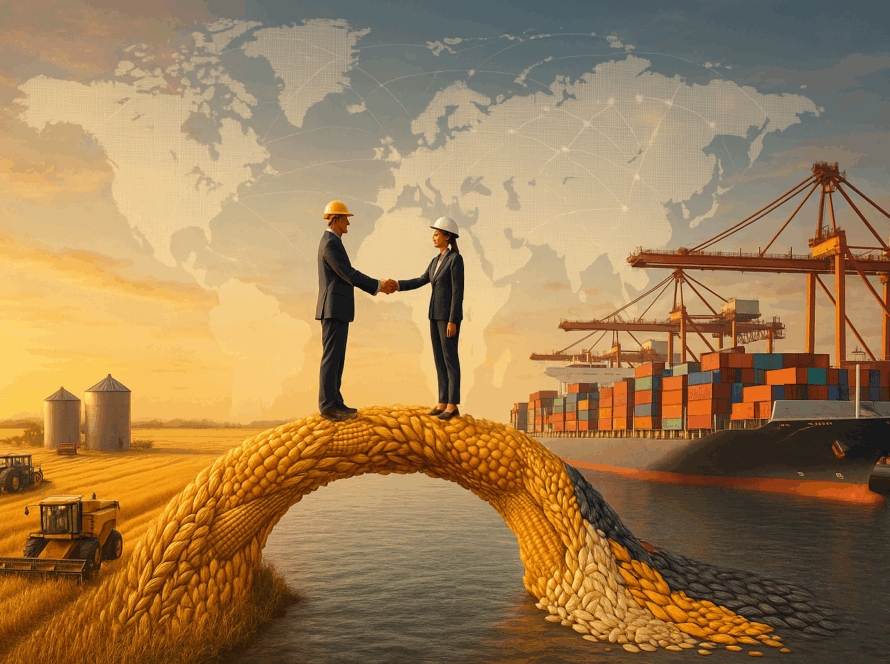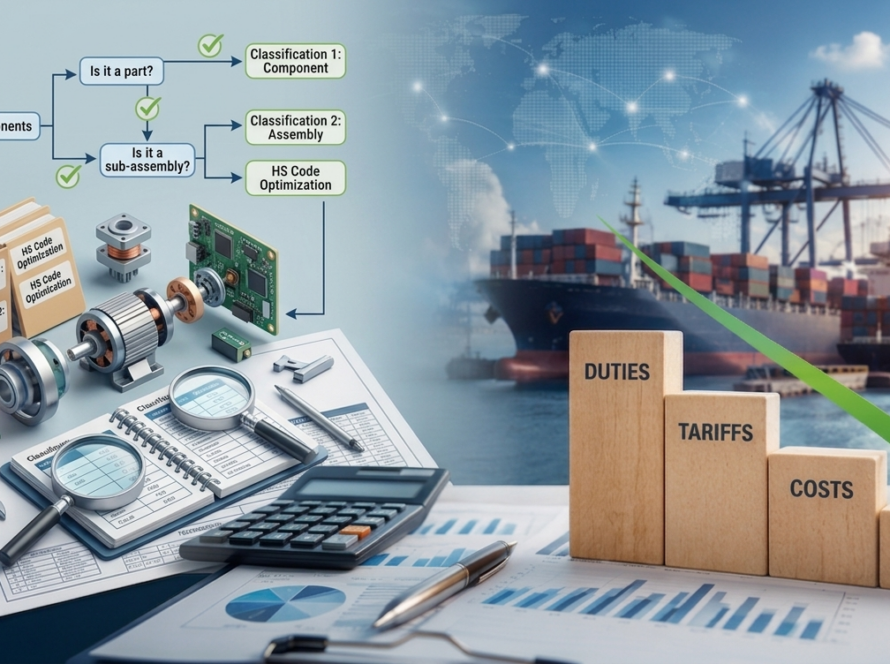


A shipment is considered successful not when it reaches a port, clears customs, or goes into a storage facility. Instead, it is finished only when it reaches the customer at home—and this means that it should arrive on time, in good order and as per the promises made.
Among all stages of the supply chain, the last-mile delivery now act as one of the most important and critical roles in determining logistics success. Having all facilities for negotiating advantageous freight rates, perfecting warehousing, and procuring sophisticated technology is of little use if the delivery does not happen properly.
This is the reason behind referring last mile as one of the greatest mnemonics in logistics. Last mile is characterized by highest unpredictability and complexity even after advancements in automation, AI, route optimizations and real-time tracking. Last mile is where expectations of customers come together with rising costs, infrastructure difficulties and operational complexities.
When we speak about importers, exporters, manufacturers, wholesale and retail sellers and logistic companies, the last mile problem involves the whole range of issues rather than just delivery of boxes and parcels.
In this article by Sharp Blue, we shall be discussing whether the last mile is a problem for high-tech supply chains, why technology is not a solution to it and what one can do to avoid disaster.
The Last Mile Is Where Customers Judge Your Business
The complexities of international shipping are beyond most customers’ comprehension.
They do not see the goods being loaded onto a ship, the customs formalities getting done, and the warehouse personnel working out the stock. All those actions are crucial, yet they are out of sight.
What customers notice is the delivery itself. If the delivery is late, broken, or lacking efficient communication, then it can overshadow everything that happened before it. From the point of view of the customer, the delivery process is the supply chain.
This transformation has completely altered the way in which firms compete. Logistics is not perceived merely as an operational activity, but a customer experience one as well.
In markets that are becoming more competitive, delivery reliability is as important as the price or quality of goods. A trustworthy logistics system inspires customer trust, while constant failures generate discontent and lead customers seek alternatives.
Companies that are successful in delivering goods in time know well the importance of trust throughout the customer journey.
Why Last-Mile Delivery Has Become Logistics’ Biggest Competitive Challenge
The aim of all logistics service providers is similar: to ensure effective, safe, and timely dispatch of goods.
Complicating things is the fact that businesses today are expected to meet a multitude of different objectives at the same time.
For example, customers expect deliveries to be quicker.
Businesses want to reduce operating expenses.
Governments and communities are calling for greener transport practices.
Supply chain professionals are in need of full shipment tracking.
Everyday unpredictable challenges like traffic delays, workforce shortages, unpredictable weather, and evolving customer demands make last-mile delivery even more complex.
As a result, balancing all of the above is a difficult task.
For instance, same-day delivery can increase customer satisfaction but might escalate transportation costs because of the need for extra vehicles and therefore, additional vehicle operations. At the same time, consolidating delivery services can lead to improved efficiency and less pollution, while also increasing the time needed for deliveries.
Such is the balancing act, which is why last-mile delivery is one of the most important and challenging areas of modern logistics.
Why the Last Mile Costs More Than You Think
Transporting thousands of products within a shipping container via sea is more efficient. Delivering these products separately to each destination is much harder.
Unlike long-distance shipping, which enjoys economies of scale that help to reduce costs, last-mile delivery takes up more stops, smaller shipments, frequent handling of goods, and more labour.
Each extra delivery location basically means a potential delay.
Drivers have to deal with traffic, parking, access to commercial and residential buildings, confirming whether the customer is ready to receive the package, and proving delivery took place in some way.
Even a little setback at one stop can have a chain reaction and affect the delivery process for the rest of the day.
Failing to deliver adds to expenses as well. If the customer is not home, or if the address turns out not to be correct, the company will have to pay for additional transport, driver time, customer service calls and rescheduling.
Improving efficiency for logistics companies means doing all possible to avoid delays.
Why Technology Still Hasn’t Solved the Puzzle
The logistics sector has made leaps forward due to the use of technology in the last ten years. There is a slew of new tools available to businesses today, including real-time shipment tracking, cloud-based transportation management systems, electronic proof of delivery, predictive analytics, GPS navigation, and route optimization utilizing artificial intelligence.
Because of these advances, logistics companies are now more capable of accomplishing their goals than ever before.
However, no amount of technology can remove human elements from final delivery. Route optimization systems may help in planning a transport route, but they cannot remove traffic jams.
Real-time tracking will not prevent bad weather conditions; artificial intelligence will not guarantee that a recipient of the package will be home to take the delivery.
Moreover, new programs cannot make loading zones available in a crowded city or solve issues concerning infrastructure availability in the countryside.
Technology makes logistics smarter but not more predictable. The successful organizations manage to combine the use of digital technologies with experienced planning, knowledge of the local market, proactive communication, and flexibility in making operational decisions.
The Challenge Extends Far Beyond E-Commerce
The first thing that comes to mind when thinking about last mile delivery is online shop who deliver items right to our door step.
However, this issue has an impact on almost all the industries.
Manufacturers need their supplies delivered on time to maintain the working of production lines.
Retailers are dependent on timely suppliers to ensure their shelves are not empty.
Medical organizations need reliable delivery services for vital medicines and equipment.
Food importers also have to deal with delivery schedule management and ensure the highest quality and compliance.
Construction companies require materials at the site, when they are needed and not days later.
Even the traders can face significant consequences if there is a problem with the delivery.
Last mile delivery is not an issue only for online businesses; it is an issue of business productivity for all businesses in the retail industry.
Winning the Last Mile Starts Long Before the Delivery Vehicle Leaves
A common myth about logistics is that last-mile delivery starts when the vehicle leaves the warehouse. However, the truth is that its effectiveness is determined much before the truck hits the road.
All elements of the supply chain affect the final delivery result. Flawed inventory management practices, poor customs clearance processes, ineffective warehouse management, lack of delivery instructions, or poor collaboration among supply chain actors can create issues that will only show up in the last mile.
Take the situation of a retailer waiting for the stock to arrive. It paints a picture of customs paperwork not being finished or delay in transportation from the docks. Although the delivery vehicle might arrive at the appointed hour, it will be later than anticipated by the customer. This means that from the customer’s perspective, the delivery has failed.
Businesses making timely deliveries always have the intelligence of the above reasoning. They think of the last mile as a part of a joined supply chain that consists of freight forwarding, customs clearance, warehousing, inventory management, and transportation.
Thus, the final delivery is only as strong as other segments.
The Hidden Costs Businesses Often Overlook
In their assessment of delivery performance, companies typically consider the prices associated with transportation and fuel. These costs play an important role, but they only account for a fraction of the overall financial landscape.
Any failure in delivering goods is likely to cause a domino effect throughout the entire company. The customer service department receives inquiries from the consumers, the warehouse has to change shipment schedules, the transportation company has to arrange a second round of deliveries, and the sales department has to make efforts to restore the clients’ trust. All these factors indicate that the implications of operational performance go well beyond the cost of transporting a vehicle.
There are also indirect consequences. Missed timings may delay the production process, lead to supply deficiency at stores, affect the efficiency of the project, and harm the customers’ trust. Constant failure to deliver can negatively impact the image of the company and make the retention of clients more challenging in the highly competitive environment.
The true cost of unsatisfactory last-mile delivery for many companies is not captured in logistical expenses, but in missed opportunities and losses in relationships with clients.
Rising Customer Expectations Continue to Raise the Bar
The last ten years have seen a drastic shift in customer expectations.
A tracking number was once considered an epitome of service. However, the modern customer expects not only correct delivery estimates and the ability to track orders in real-time.
Customers also expect to receive updates and notifications, have various delivery options to choose from, and get issues resolved in case something goes wrong during the delivery process. It is worth mentioning that customers do not evaluate your delivery service just in relation to similar companies but in relation to all companies they interact with.
This implies that companies involved in manufacturing, wholesaling, and importing goods are compelled to provide consumers with the same level of reliability and communication as they are accustomed to when dealing with top retail companies.
Meeting these expectations successfully is not simply about improving delivery. It involves enhancing strategizing and being more cooperative and communicative throughout the supply chain.
Sustainability Is Reshaping Last-Mile Logistics
With the increasing pressure on making the supply chains more environmentally friendly, sustainability is becoming an important issue for businesses, consumers, and governments. There is a growing concern when it comes to the last mile of the supply chain, as many companies prioritize developing their eco-friendly practices.
Urban deliveries are characterized by short distances, frequent stops, idle time for the vehicles, and constant acceleration, which contributes to a higher fuel consumption level.
To be more efficient, companies that provide logistics services are already implementing various strategies to optimize their delivery processes, such as route planning and combining shipments, opening up urban fulfillment centers, and exploring new eco-vehicle technologies when possible.
That being said, achieving sustainability is not only about using electric vehicles. It is also important to reduce delivery trips, increase delivery efficiency, avoid failed delivery attempts, and plan deliveries better.
Sustainability is closely connected with delivery efficiency in most cases.
What Leading Businesses Do Differently
There is no one-size-fits-all answer to the last mile challenges, but successful companies tend to share some similar practices.
They don’t see logistics as a cost but as a competitive advantage that enhances customer satisfaction and growth in business. Logistics best practices are those that followed by successful companies.
They invest in supply chain visibility to be able to detect delivery issues beforehand.
Another important factor that successful companies understand is the importance of partnerships in logistics.
Choosing a logistics partner only because they charge the lowest transport price may cost them more than they save in the end, as uncooperative service, lack of efficiency, and poor communication can be far more expensive than low transport prices.
Successful companies understand the importance of constantly evaluating logistics performance.
The Future of Last-Mile Delivery
The things that will define the future of last-mile delivery aren’t going to come down to individual revolutionary solutions, but rather what technologies companies choose to adopt, and how they utilize technology, data and logistics know-how.
Innovations like artificial intelligence will improve demand planning and routing processes. Logistics platforms will facilitate better visibility throughout the supply chain.
Automation will drive warehouse efficiency.
It’s also important to note new technologies such as delivery robots and autonomous delivery vehicles that are being talked about these days.
While the approaches might work well, taking them to mass use will depend on regulations, infrastructure, safety, and economic viability.
What will remain the same is the importance of good planning and sound decision-making.
The more connected the supply chains are, and the higher the expectations of consumers, the better those businesses that focus on resilience, collaboration, and continuous improvement will cope with future challenges, no matter what technologies will emerge.
Conclusion
There is no argument that the last mile of delivery is one of the biggest challenges in logistics because it is where the two aspects of an efficient operation and meeting customer expectations collide. Although visibility and planning have come a long way thanks to technology, successful delivery continues to rely on coordination, communication, and experience of companies involved. The companies that choose to consider the last mile a strategic advantage and not just the last phase of transportation will find themselves able to cut costs, improve their relationship with customers, and be more competitive in the market.
Frequently Asked Questions About Last-Mile Delivery
- Why is last-mile delivery still difficult despite advances in technology?
Although technology has greatly enhanced shipment visibility and route planning, it cannot solve such challenges as traffic jams, bad weather conditions, shortage of workers, limited access to delivery, and unsuccessful delivery attempts. Human knowledge and good planning are still important.
- How can businesses improve their last-mile delivery performance?
In order to enhance their last-mile delivery operations efficiently, firms have to prioritize efficient inventory management, maintain accurate shipping details, be constantly informed of their products in transit, communicate continuously with customers and collaborate with trustworthy logistics experts such as Sharp Blue that offer full-fledged supply chain management services.
- What factors have the biggest impact on last-mile delivery performance?
A number of aspects impact the last mile delivery service, such as traffic status, density of delivery people, readiness of customers, planning of optimal route, accuracy of address details as well as the state of the weather and cooperation in the supply chain.
- How can Sharp Blue help businesses overcome last-mile delivery challenges?
At Sharp Blue, we understand that successful final delivery begins even before a shipment reaches its destination. Our flawless services in freight forwarding, customs clearance, transport management and supply chain knowledge help businesses streamline their logistics process smoothly, significantly reduce delays, and increase confidence when delivering goods.