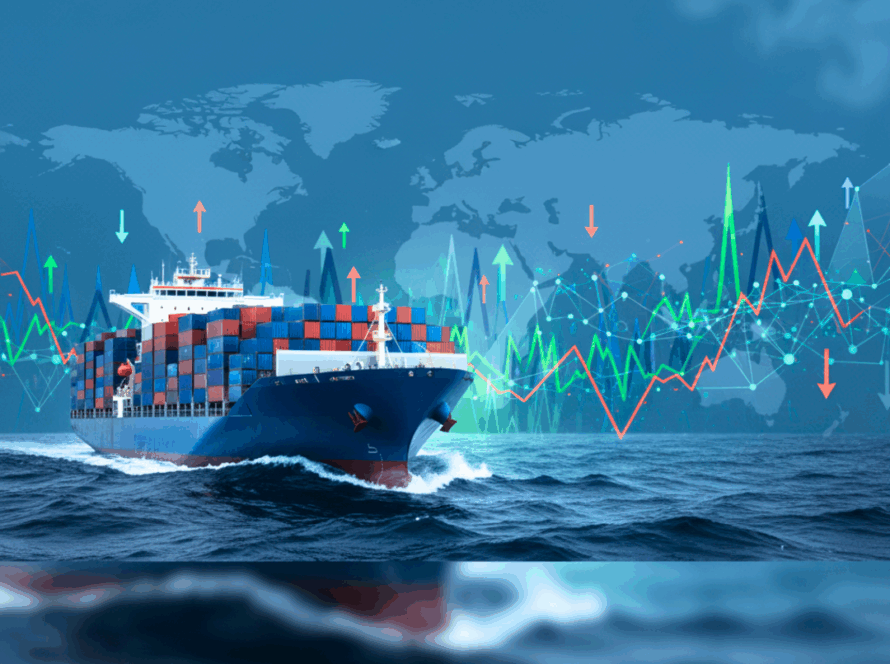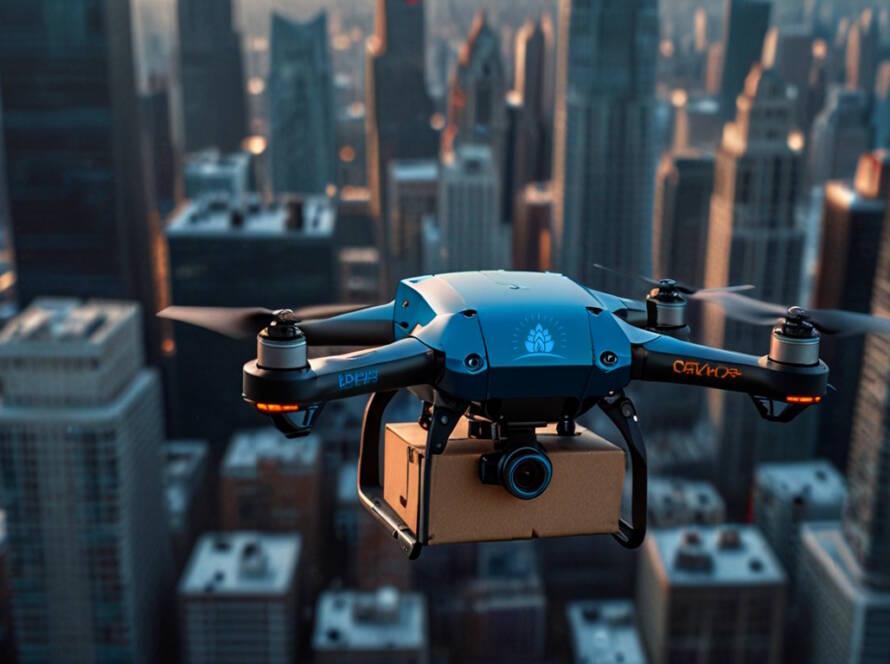


For most of its history logistics has been about trucks, ships, warehouses, pallets and paperwork. Its identity was rooted in physical movement, manual coordination, and experience-driven decision making. But over the last few years a quiet but irreversible shift has been happening. Logistics is entering what many are calling its Software Era – a phase where digital infrastructure is as important as physical assets and where competitive advantage is determined by data, automation and real-time visibility rather than fleet size or warehouse capacity.
This isn’t a loud or disruptive change like consumer technology. Instead, it’s happening behind the scenes – in dashboards, APIs, automated workflows, digital control towers and predictive systems. And because logistics is at the heart of global trade this is impacting manufacturers, retailers, suppliers and end consumers. Understanding what this new era means is now essential for anyone involved in supply chain operations.
This blog by Sharp Blue takes a closer look at the Software Era of Logistics, what’s driving it, how it works in modern supply chains and the challenges organizations face in this digital first world.
What Is the ‘Software Era’ in Logistics?
The “Software Era” marks a key shift where digital systems and automated workflows drive logistics operations. Companies now run on connected software platforms that collect, process and use live data instead of manual updates, spreadsheets, endless email chains or phone calls.
Logistics is shifting from operations run by physical assets with some software support to operations run by software, with physical assets supporting the software. Tools like TMS platforms, WMS systems, rate engines, Logistics Saas Platform like FlowEnso, visibility solutions, route planning algorithms, and automated compliance tools are now must-have, not just nice-to-have. Live data plays a big role in making choices helping companies know where goods are when they’ll show up, and what might go wrong—well before it affects the customer.
Even physical assets are getting “smarter”. Companies are putting telematics on trucks, IoT sensors in containers and scanners and automation in warehouses. This creates a stream of data that software can consume which speeds up logistics, makes it more predictable and easier to manage.
Why the Shift Became Unavoidable
The logistics industry didn’t enter the Software Era by choice—it evolved and adapted as market demands, and modern expectations changed.
- The Rising Complexity of Modern Supply Chains: Today’s supply chains are much more complex with more SKUs, shorter product lifecycles, multiple fulfillment models (e-commerce, B2B, dropship) and same or next day delivery expectations. This complexity requires real-time information and seamless collaboration to make fast decisions – and manual processes can’t keep up. So software is essential and the only way to keep up with today’s business.
- Customer Expectations Skyrocketed: The expectations of customers for logistics services have changed much quicker than the standard delivery process can satisfy. Real-time tracking, accurate ETAs, transparent pricing and proactive communication are now table stakes. What used to be “nice to have” is now mandatory for both shippers and consumers. Only digital systems can deliver this level of visibility and reliability.
- Labor Shortages Made Automation Necessary: With fewer drivers, warehouse workers, planners and customs officers, logistics companies had no choice but to automate. Automation reduces errors, cuts out repetitive work and allows smaller teams to handle bigger workloads—so it’s not optional.
- The E-Commerce Explosion: The e-commerce boom created order volumes way beyond what manual processes could handle. To keep up companies had to digitize order processing, picking, packing, last mile delivery and inventory sync. E-commerce didn’t just speed up digital adoption—it completely redefined how logistics works.
What the Software Era Looks Like Inside Real Operations
Let’s move from theory to practice. How does this software-centric approach actually manifest in day-to-day logistics operations?
- Procurement: When it comes to procurement, traditional methods relied on long Request for Proposal (RFP) cycles; communicating by phone; and comparing rates manually. Digital freight marketplaces such as Convoy, Uber Freight, and Flexport have changed this dynamic by using advanced algorithms to connect shippers and carriers in real-time. The digital platforms assess multiple criteria (e.g., cost, service level, carbon footprint, and capacity) to provide shippers information needed to identify the best carrier instantaneously versus waiting for a day(s). This improved visibility on choosing a carrier means shippers can make more informed decisions about their shipping needs while working towards reducing delays/transparency, while also aligning with their sustainability goals.
- Execution & Visibility: Once a shipment is underway, real-time visibility platforms provide Continuous data subscriptions far more than GPS location. These systems combine multiple sources of data from port terminals, traffic APIs, and weather feeds that allow them to provide actionable, sound operational decisions. For example, if a truck is delayed by 45 minutes due to traffic, the system not only has its “Estimated arrival time” updated but also automatically notifies the receiving warehouse and adjusts downstream planning. As a result of having such a comprehensive level of operational visibility, the Operations teams can be more proactive, rather than simply react as they are currently able.
- Warehousing: Today’s warehouses function like intelligent systems. Automated Warehouse Management Systems (WMS) and automated technologies, including the Internet of Things (IoT) and robot technology, assist warehouse managers in using advanced algorithms to direct workers on the best routes to pick products up. Additionally, mobile autonomous robots bring products directly to packers. All of these factors lead to improved cycle times, minimal mistakes, maximized use of space and labor.
- Last-Mile Delivery: The final mile is the point at which the customer experience will either be greatly improved or greatly hindered. The development of advanced route optimization tools based on the input of traffic patterns, delivery time frames and package characteristics has allowed for the calculation of the most efficient order for hundreds of stops within seconds. Customers now receive highly precise Estimated Time of Arrival (ETA), have the ability to track their parcel live via tracking link, and are provided with proactive notifications, thus making the traditionally stressful time of the final mile a hassle-free one.
- Claims Management: Companies are using artificial intelligence (AI) to monitor and handle exceptional events associated with their products. For example, AI-powered systems can track temperature changes through the Internet of Things (IoT) and monitor for shock and handling errors on items just before they reach the consumer. AI can even begin the claims process for damaged goods before a consumer knows they have a problem. Automation of these processes results in faster resolution times and increased consumer confidence.
In short, the Software Era touches every logistics operational layer. From procurement to execution, warehousing to delivery, and claims management, software transforms logistics from a reactive and labor-intensive process into a data-driven, predictive, and highly efficient operation. The difference isn’t just faster shipments and delivery—it’s smarter, more reliable, and customer-centric logistics.
Navigating the Headwinds: Challenges in the Software Era
- Legacy System Integration: Companies that are a decade old still run on inflexible and ancient legacy systems that can’t talk to modern cloud based platforms via APIs. Integrating these systems can be a barrier, often requiring a “rip and replace” approach that’s both risky and expensive.
- Data Quality and Standardization: The idea that AI is “good inputs lead to good outputs, bad inputs lead to bad outputs” reflects the reality of how a diverse range of input formats with inputs coming from all over the place will cause issues in a supply chain. And if the data is not labelled consistently and/or has missing information or no standardization among it, no matter how advanced the software is, it will produce wrong results.
- Acute Cybersecurity Risks: As logistics gets more digital and connected it gets more vulnerable to digital attack. A successful ransomware or malware attack on a digital logistics system can bring operations to a halt across entire regions with massive financial and reputational damage. Protecting digital supply chains is as important as protecting physical ones.
- Resistance to Cultural Change: This is often the most underestimated challenge. Old fashioned employees are used to “the way we’ve always done it” and distrust algorithmic recommendations. Overcoming this skepticism requires strong change management, transparent communication and upskilling to show how software is a tool for empowerment not replacement.
- Implementation Costs and ROI Uncertainty: While SaaS models have lowered the barrier to entry, the total cost of ownership including integration, customization, training and ongoing subscription fees can be high. For small and medium sized businesses in particular justifying this investment with a clear and timely ROI can be tough.
How Software Is Reshaping Competitiveness
- Digital Capability Defines Winners: In today’s fast changing world, its no longer just about being able to crank out goods, its about having a digital game plan too. Companies that can successfully adapt and put the right software in place are the ones that can respond faster to customer needs, plan more effectively and deliver a better customer experience overall. And lets be honest, customers are increasingly starting to look at a company’s digital capabilities when deciding who they want to work with.
- Speed and Accuracy as Differentiators: Speed and accuracy – these are now the key things that separate the good from the great. With automated workflows, quoting times get cut down, planning gets a whole lot more accurate and you dont have to worry about humans making mistakes. Jobs that used to take hours now take minutes – freeing up your staff to focus on the tough stuff and get the real value add out of their day.
- Efficiency Drives Profitability: Software-driven operations also enhance margins by reducing waste. Automation cuts down unnecessary labor, while optimization tools improve route planning, minimize empty miles, and reduce detention or demurrage costs. In an industry facing rising operational expenses, these efficiencies often determine whether a company remains competitive or falls behind.
- Enhanced Customer: And Customer Experience? That’s getting a whole new look too. Shippers now expect to know exactly what’s going on in real time, full transparency – and all the rest of it. Give them all that and you get loyalty and trust, leave them in the dark and you are going to lose them to someone that can deliver the service they expect.
- Data as a Strategic: And finally its all about the data. Companies that can use data for forecasting, looking up carrier performance, optimizing lanes and actually doing something with all that data are going to come out on top. In the age of the software, being able to turn data into actionable insights is what separates the leaders from the also-rans.
The Human Element: Evolving Roles, Not Replacing Them
A Common Misunderstanding in Logistics Digitalization is that software will one day replace people outright but that’s not the reality , technology instead automates those tedious tasks that get repeated over and over , meanwhile humans remain absolutely key to applying judgement when needed, nurturing relationships, and just dealing with those completely unpredictable challenges as they come up. Now that routine work has shifted over to the computers, logistics professionals have the chance to focus on the jobs that really add value – like solving problems, looking after customers, and making their processes as efficient as they can be – which means their roles have become a lot more strategic and interesting.
Digitalization hasnt only taken away old jobs, its also created brand new ones – just take digital operations analysts, visibility specialists, and automation coordinators for instance. These new roles bring together technical skills with logistics know-how, in order to keep these complex modern supply chains ticking over.
Our strengths as humans – like being able to communicate, negotiate and make decisions in the real world – are still pretty much unmatched by any system, no matter how clever. And one of the most important things for success these days is actually training. Companies that take the time and effort to upskill their teams are not only able to make big improvements to efficiency, but they also give themselves a big edge when it comes to snapping up and keeping the best and brightest talent.
Conclusion
The logistics industry isn’t becoming a tech industry. It’s becoming an industry where physical operations rely on digital coordination. Software isn’t replacing trucks, warehouses or workers; it’s giving them clearer instructions, better situational awareness and faster feedback loops. Companies that get this balance will outpace those that see software as an optional upgrade.
The companies that win in the next decade will be the ones that integrate technology into their operations in a way that makes them more reliable and resilient. The ones that fall behind won’t fail because they don’t have assets – they’ll fail because they can’t deliver the accuracy, speed and transparency that logistics now demands.
Logistics is entering its software era not with hype but with practical, measurable change happening at every link in the supply chain. It’s quiet but it’s unmistakable.